
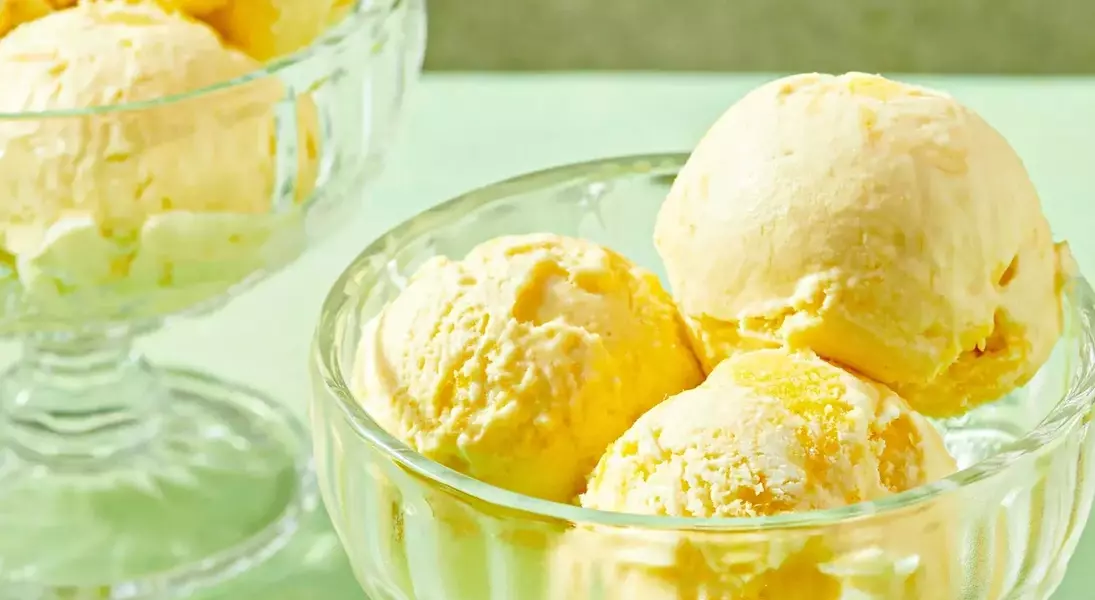
Achieving perfectly smooth, homemade ice cream can feel like a culinary quest, often ending in disappointment when the texture turns out gritty or icy. This extensive guide dives into the fundamental science behind ice crystal formation in frozen desserts and reveals how to create rich, velvety ice cream at home without the need for an expensive ice cream maker. The secret lies in a clever combination of ingredients and techniques that mimic the churning process, ensuring every spoonful is creamy and luxurious. We will explore how different milk products behave when frozen, the role of sugar as a freezing point depressant, and how mechanical and chemical methods counteract crystal growth. By understanding these principles, you'll be empowered to craft delightful frozen treats with minimal effort and common kitchen tools, transforming your dessert experience.
The pursuit of flawlessly creamy ice cream hinges on one critical factor: managing ice crystal size. Commercial ice creams typically boast crystal dimensions between 26.3 and 67.1 micrometers, with grittiness becoming noticeable to the human palate at around 50 micrometers and significantly increasing complaints when crystals approach 100 micrometers. The challenge for home chefs is to consistently remain below this threshold. This is achieved through two primary strategies: incorporating solutes that interfere with crystal formation and actively suppressing Ostwald ripening, a process where smaller, less stable ice crystals merge into larger, more stable ones.
The addition of solutes, particularly sugar, is a cornerstone of smooth ice cream. Sugar molecules readily bind with water, hindering the structured alignment necessary for large ice crystal growth. A compelling example is sweetened condensed milk, which contains a remarkable 45% sugar by weight. This high sugar concentration, coupled with its reduced water content (only 25–27%), dramatically lowers the freezing point of the mixture, allowing it to remain semi-liquid and gooey even when frozen solid. In contrast, regular milk (87% water) or evaporated milk (60% water) simply solidify into unyielding blocks in the freezer. Furthermore, the manufacturing process of condensed milk includes seeding with ultra-fine lactose crystals, which act as numerous micro-nucleation sites, pre-empting the formation of larger, discernible sugar crystals that could otherwise introduce an undesirable grainy texture.
Controlling Ostwald ripening is another crucial aspect. This phenomenon, where small ice crystals essentially 'feed' larger ones by migrating water, is what turns initially smooth frozen mixtures into icy disappointments over time. Traditional ice cream makers combat this mechanically: a rotating dasher continuously scrapes forming ice crystals from the chilled walls of the bowl, distributing them evenly and keeping their size minuscule during a dynamic freezing phase. For no-churn methods, the mechanical agitation is replaced by the fat and air introduced by whipping heavy cream. This foam-like structure acts as a physical barrier, disrupting water molecules' ability to organize into large crystals. The high fat content further contributes to a rich mouthfeel, preventing the final product from becoming brittle. It's imperative not to over-whip the cream, as excessive air can lead to a crumbly, rather than creamy, texture.
The general process for crafting no-churn ice cream is remarkably simple, involving just two core ingredients. First, two cups of cold heavy cream are whipped to soft peaks—sufficiently firm to hold their shape yet still pliable. Next, a 14-ounce can of sweetened condensed milk is gently folded into the whipped cream, ensuring thorough mixing while preserving the incorporated air. At this stage, optional flavorings such as jams, cooked fruit purees (like mango boiled with sugar to manage water content), nut butters, chocolate, or alcohols can be added, always mindful of avoiding high-water content ingredients that could reintroduce iciness. Finally, the mixture is transferred to a freezer-safe container, smoothed, covered tightly, and frozen for at least six hours until firm. This straightforward approach leverages the inherent properties of sweetened condensed milk and whipped cream to deliver a dessert that rivals store-bought varieties, all without the need for specialized equipment.
Making ice cream at home, particularly the no-churn variety, is a delightful journey into the intersection of culinary art and fundamental science. It highlights how a deep understanding of ingredients and their interactions can unlock surprisingly complex and satisfying results with simple methods. The transformation of humble cream and condensed milk into a luxurious, smooth dessert offers a tangible lesson in food chemistry. It's truly inspiring to realize that with just a few basic components and a little patience, one can achieve a product that rivals the quality and texture of professionally made ice cream. This process demystifies a treat often associated with specialized equipment, empowering home cooks to experiment and enjoy delicious, homemade frozen delights with newfound confidence. It's a reminder that great cooking often stems from simple principles, thoughtfully applied.
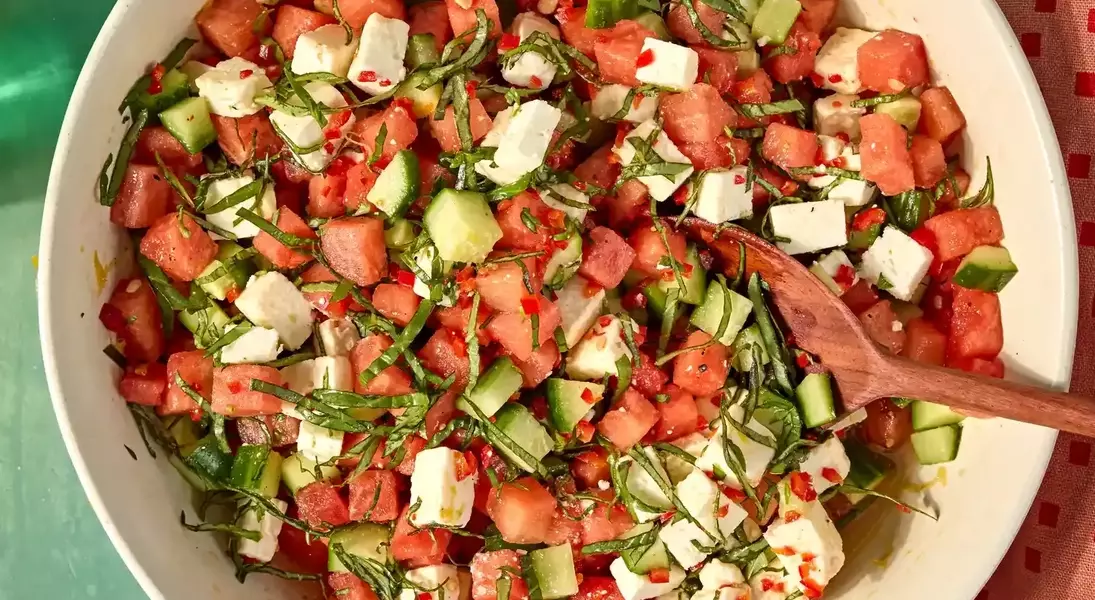
Refreshing Watermelon Recipes for Summer Enjoyment
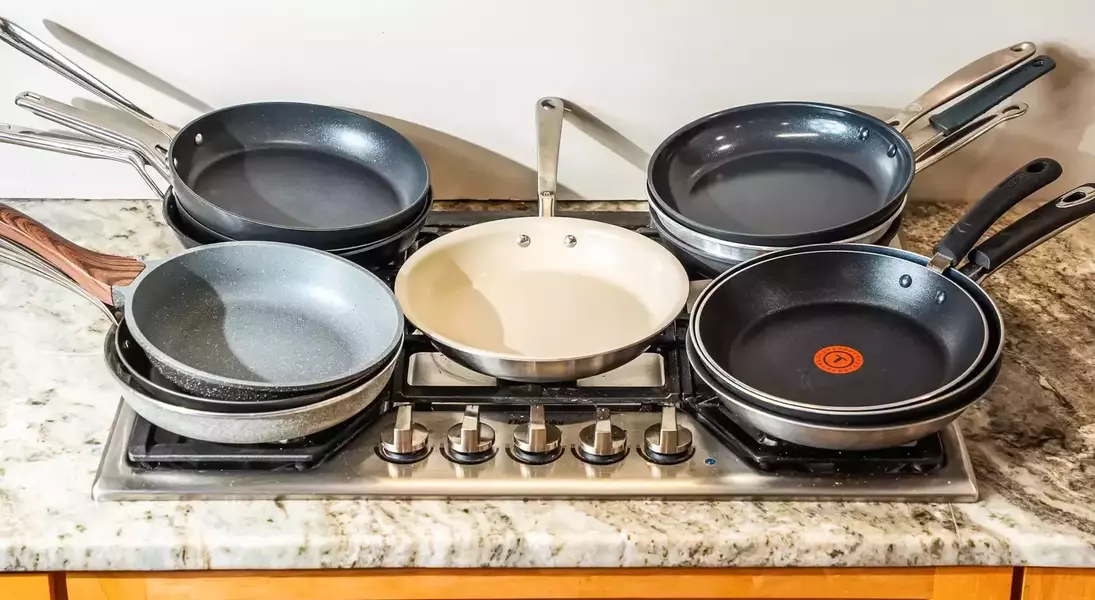
Mastering Your Kitchen with the Best Nonstick Skillets
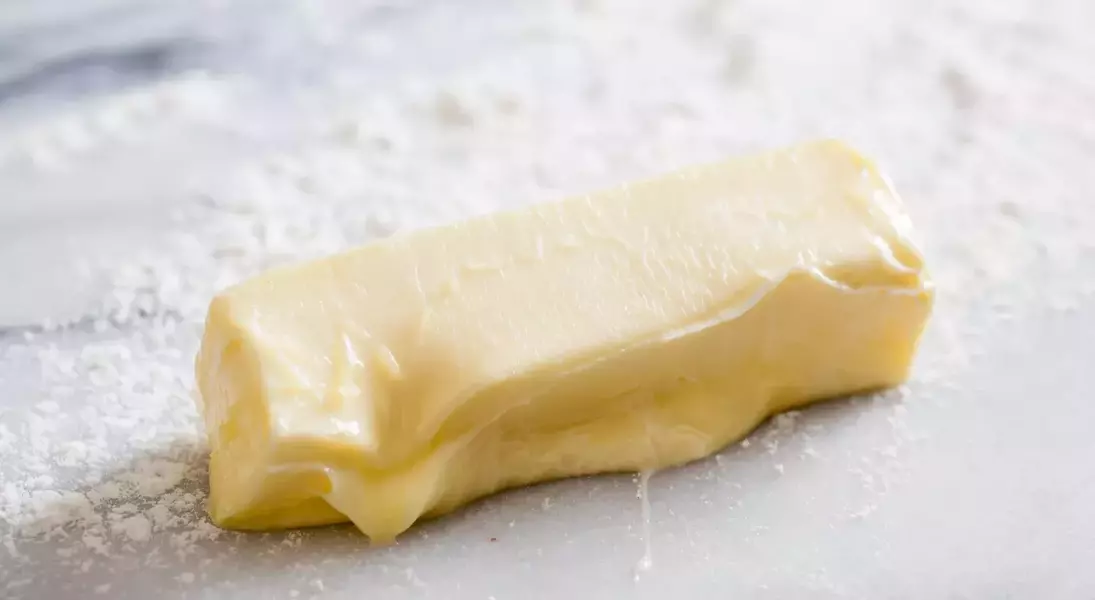
Mastering Pie Dough in a Warm Kitchen: Expert Techniques for Perfect Results

Mastering Your Restaurant Order: A Guide to Getting the Best Recommendations
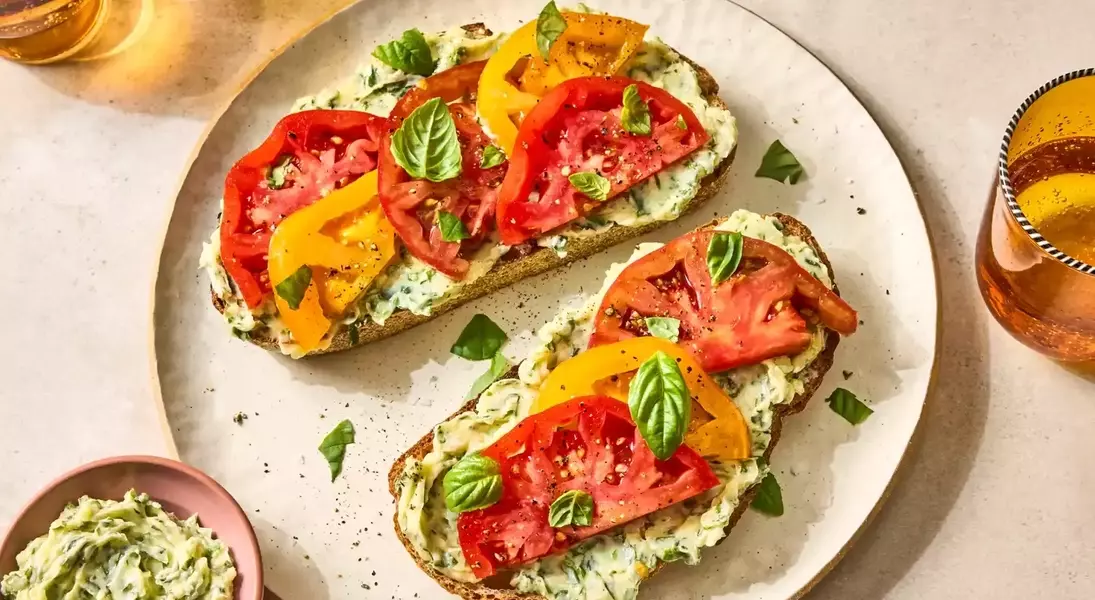
Quick and Fresh Tomato Recipes for Any Meal
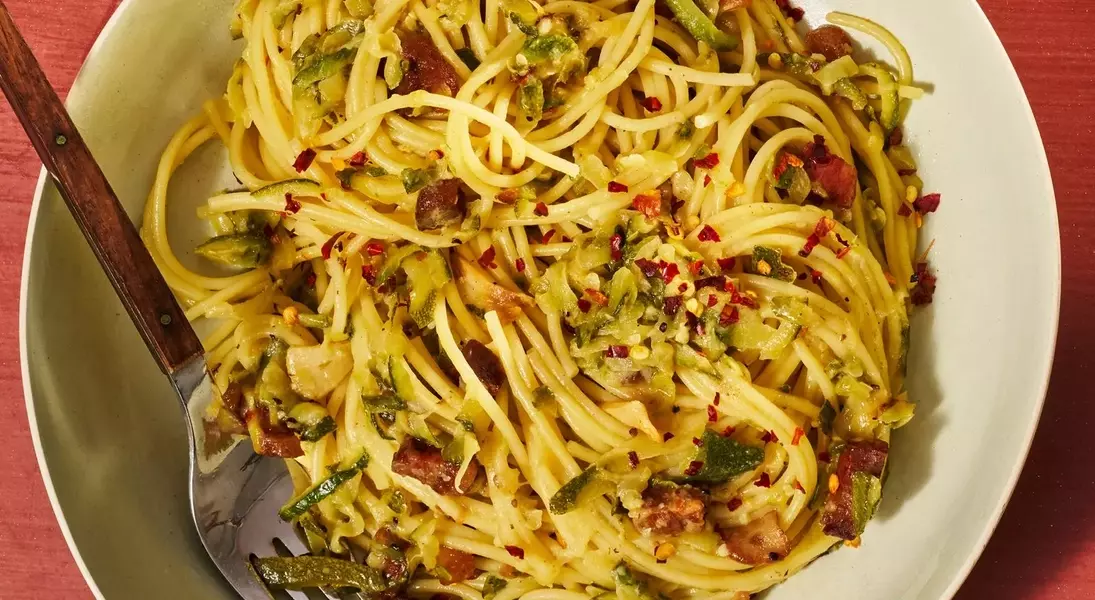
Embracing Summer's Abundance: The Farmers Market Challenge Returns with Fresh Recipes
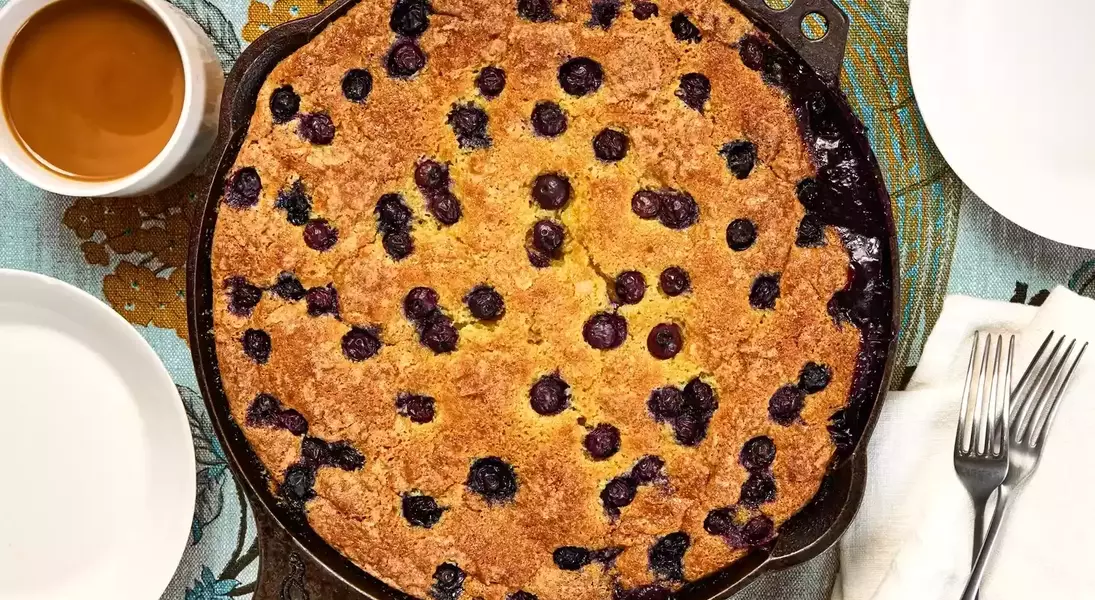
Nine Irresistible Blueberry Dessert Recipes
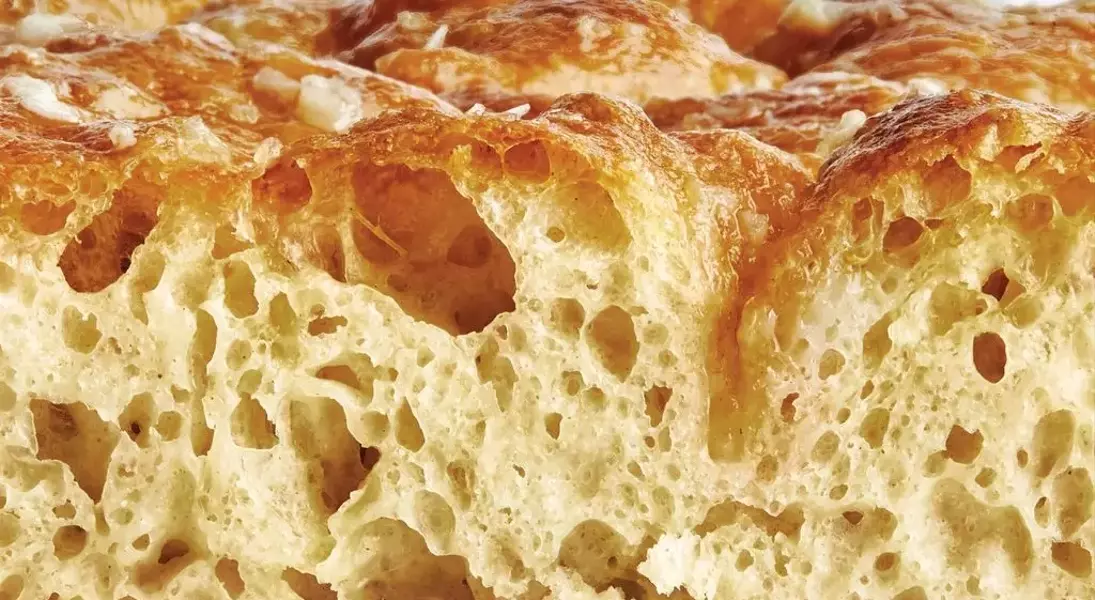
Effortless Bread Making: A Guide to No-Knead Recipes for Home Bakers
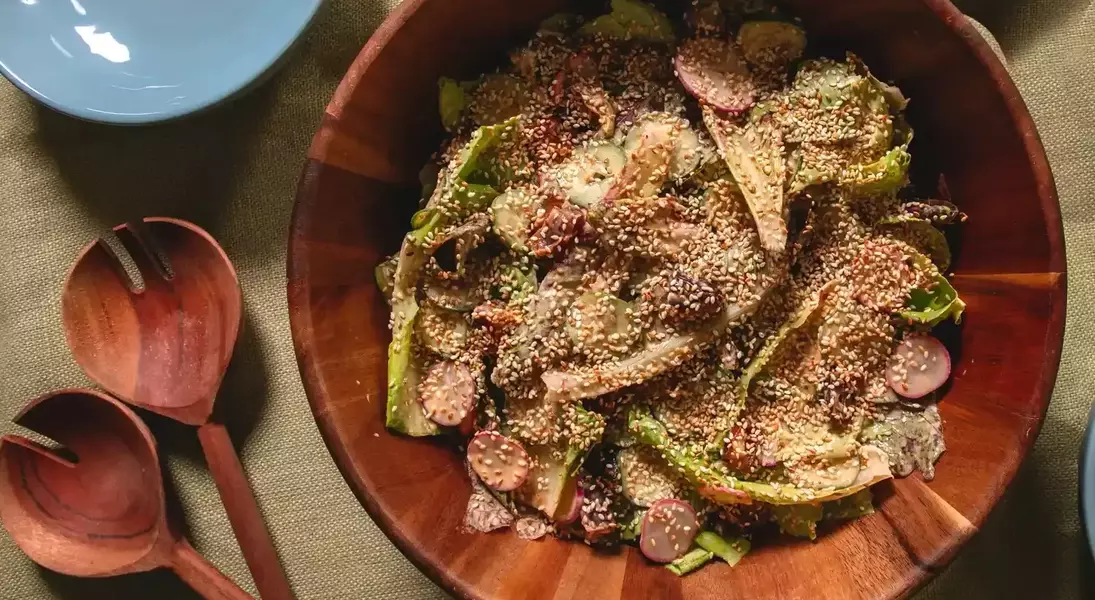
A Vibrant Date Salad with Spicy Tahini-Yogurt Dressing
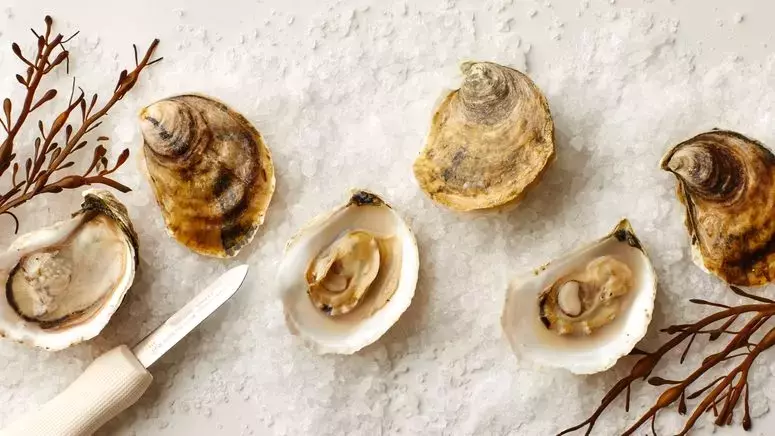
The Art of Mignonette: Enhancing Your Oyster Experience
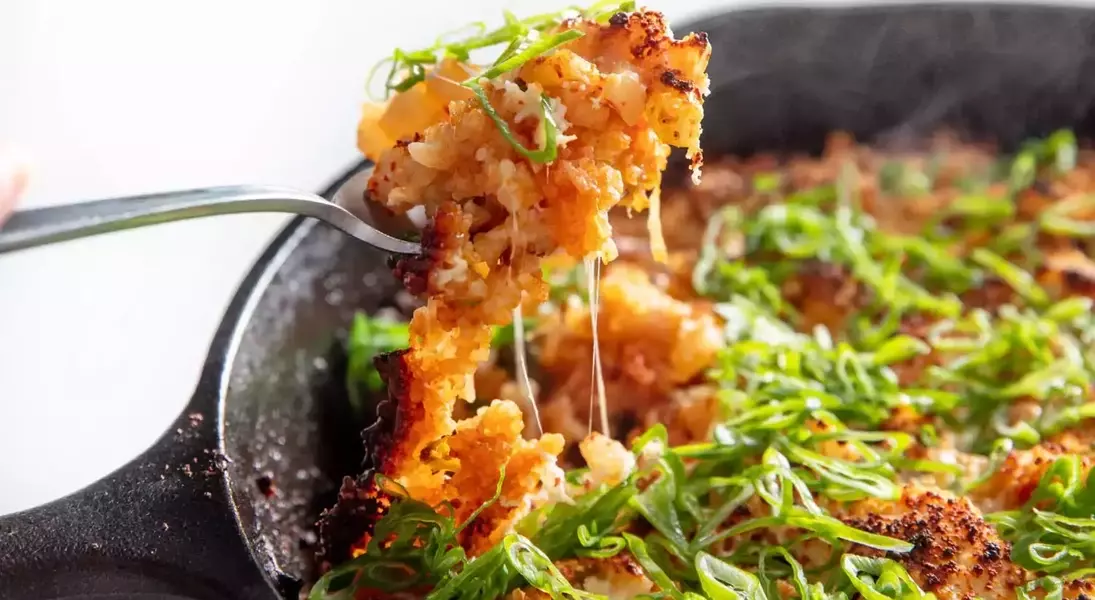
Transforming Leftover Rice into Delicious Meals

Dietitians' Top Healthy Picks for Your Summer Picnic Basket from Trader Joe's
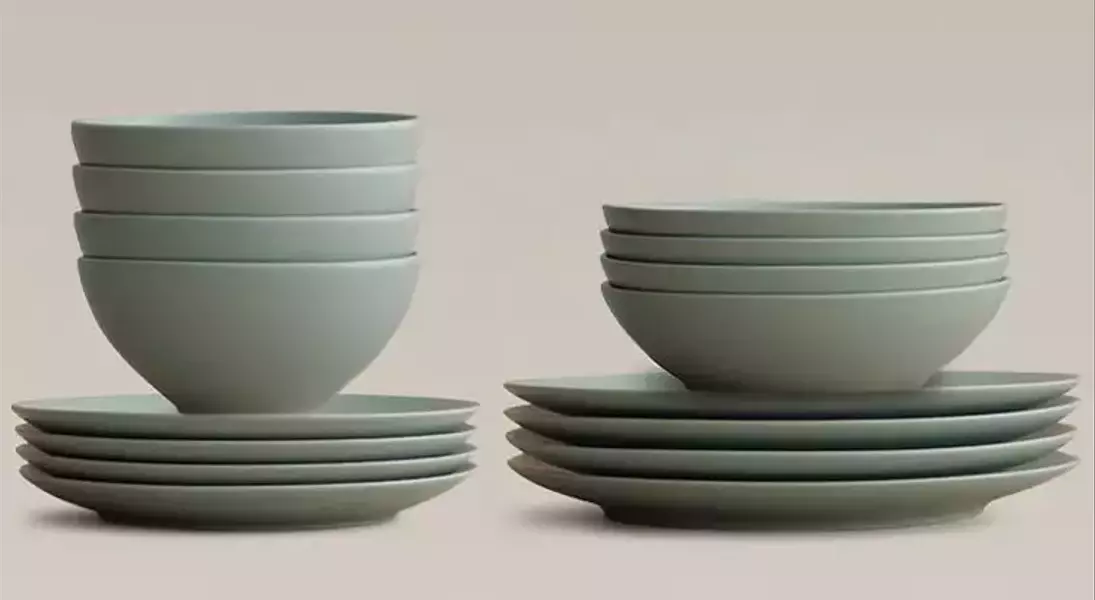
Choosing the Perfect Dinnerware: A Comprehensive Guide
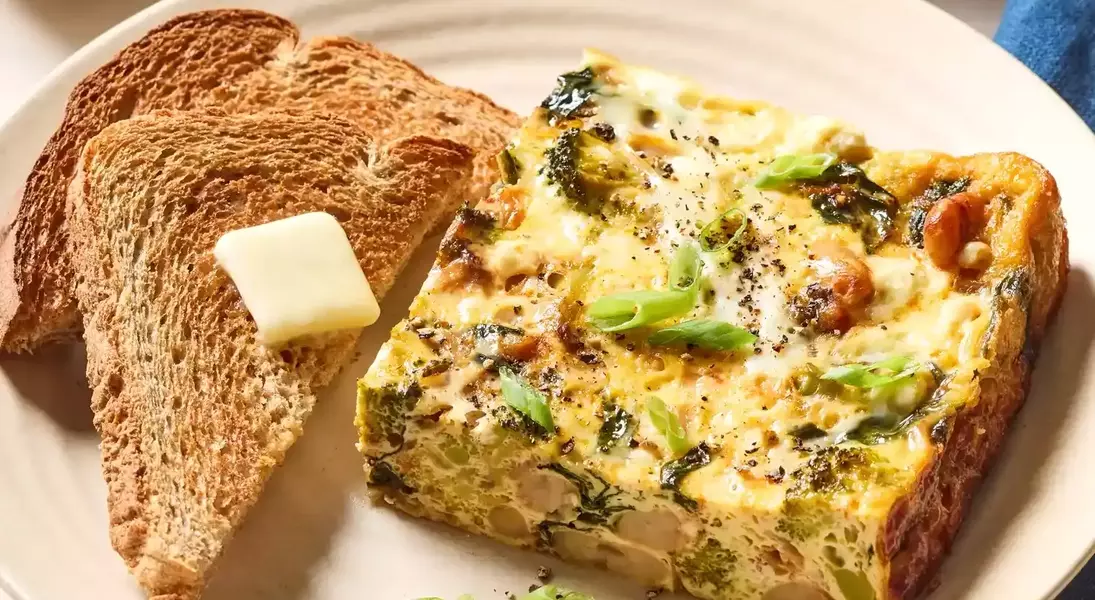
Nutrient-Rich Morning Bake: A High-Fiber Delight
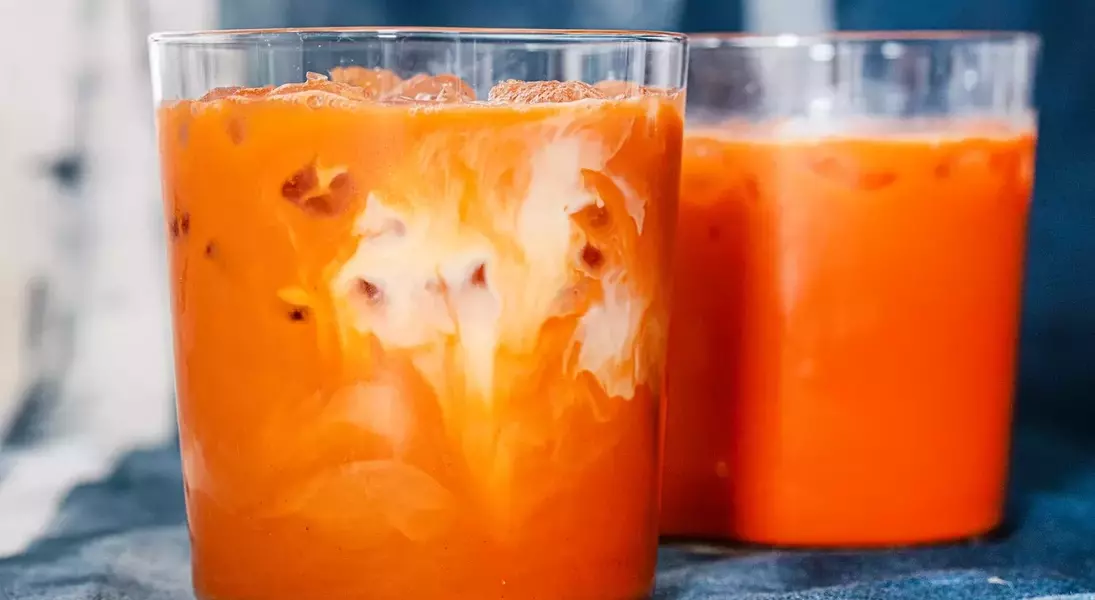
Top 10 Refreshing Drink Recipes for Summer

Twelve Effortless Chicken Dishes for Summer Entertaining
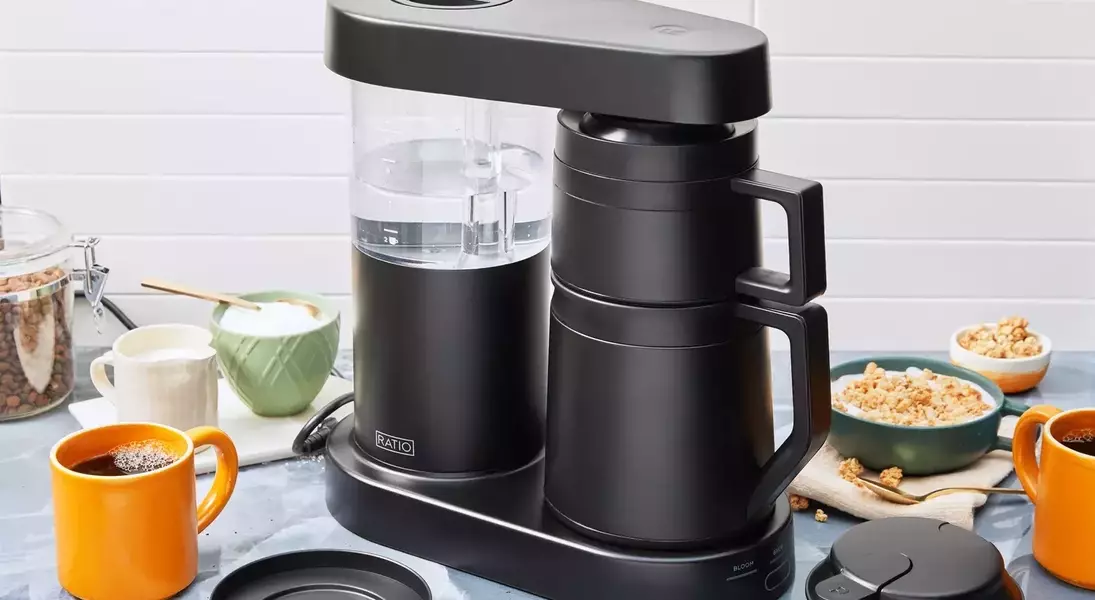
Top Thermal Carafe Coffee Makers for Lasting Warmth and Flavor
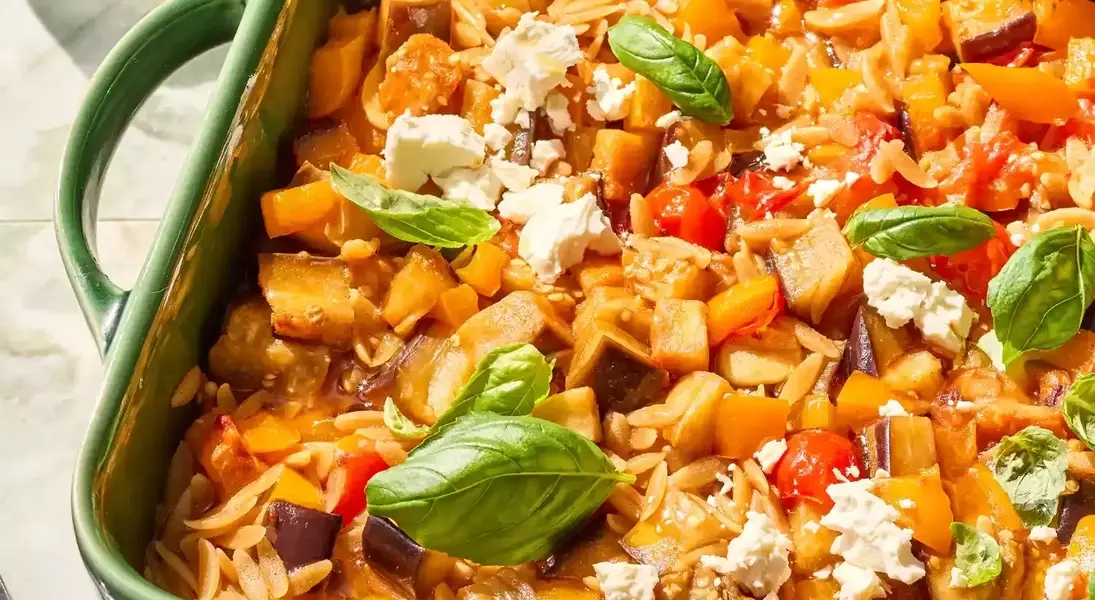
Hearty Roasted Vegetable and Orzo Bake
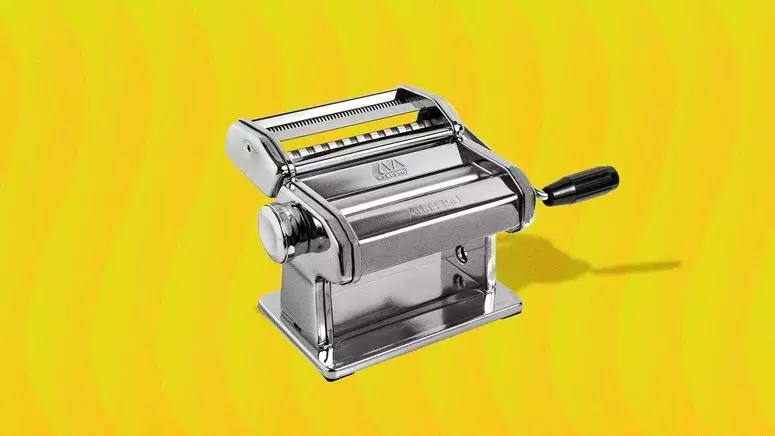
The Art of Homemade Pasta: A Comprehensive Guide
Unlock the Secret to Creamy Homemade Ice Cream Without a Machine
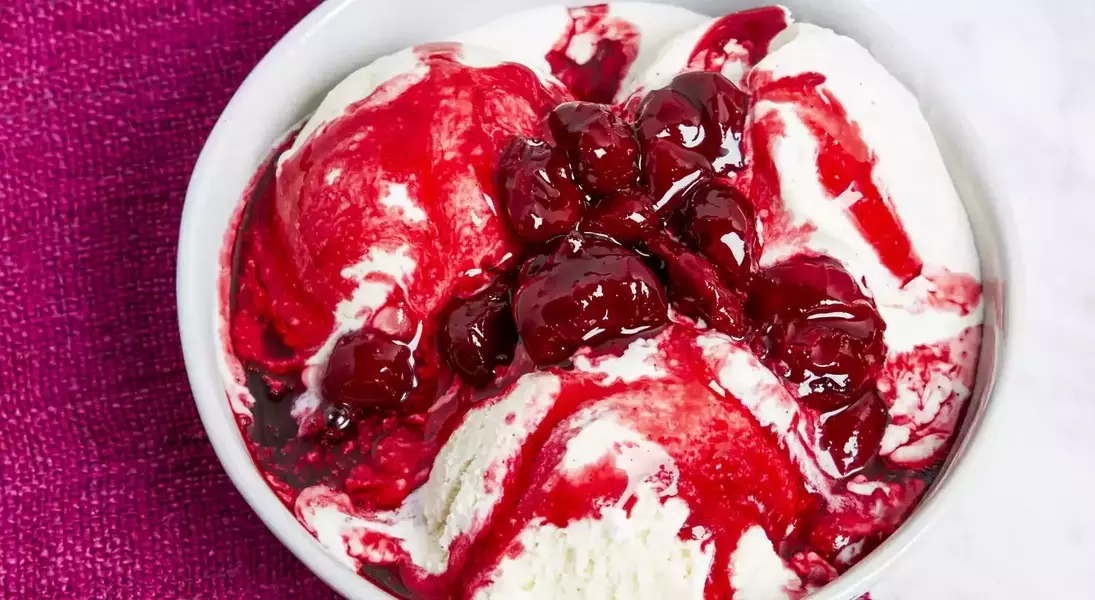
Delectable Cherry Dessert Creations for Any Occasion
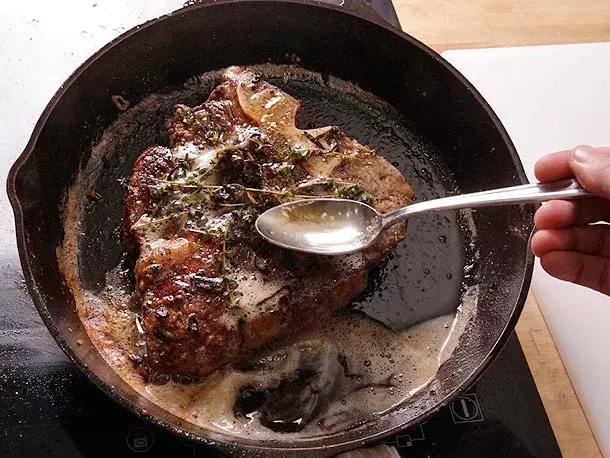
Mastering Cast Iron: The Essential Art of Proper Preheating

Essential Food Safety Practices for Outdoor Gatherings

Nourishing Your Kidneys: The Apple and Almond Advantage

Expert Tips for Preserving Your Cast Iron Cookware
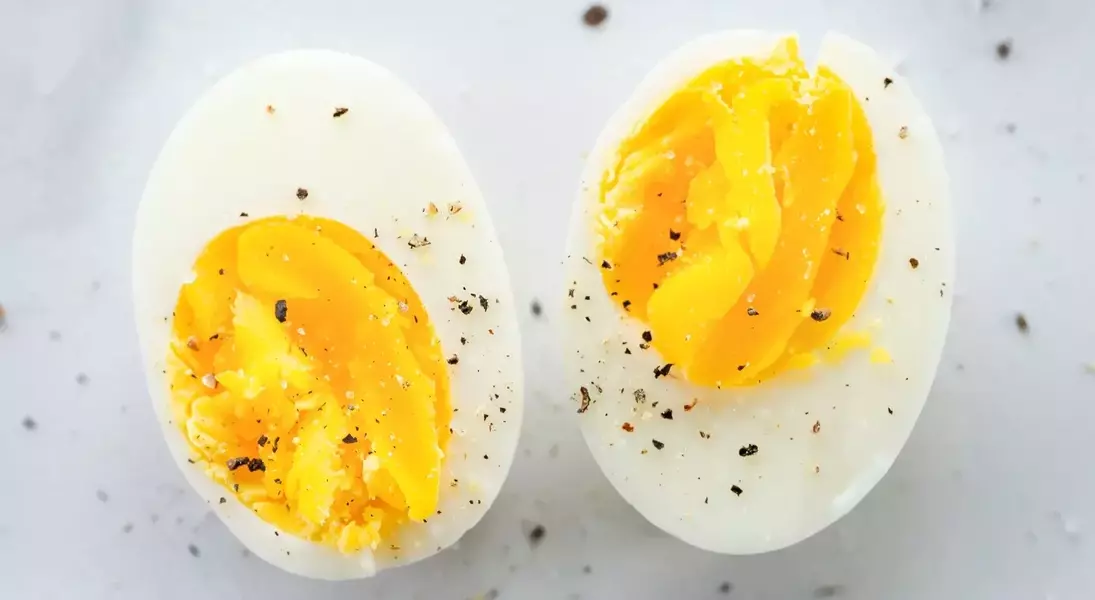
The Dash Rapid Egg Cooker: Your New Morning Hero
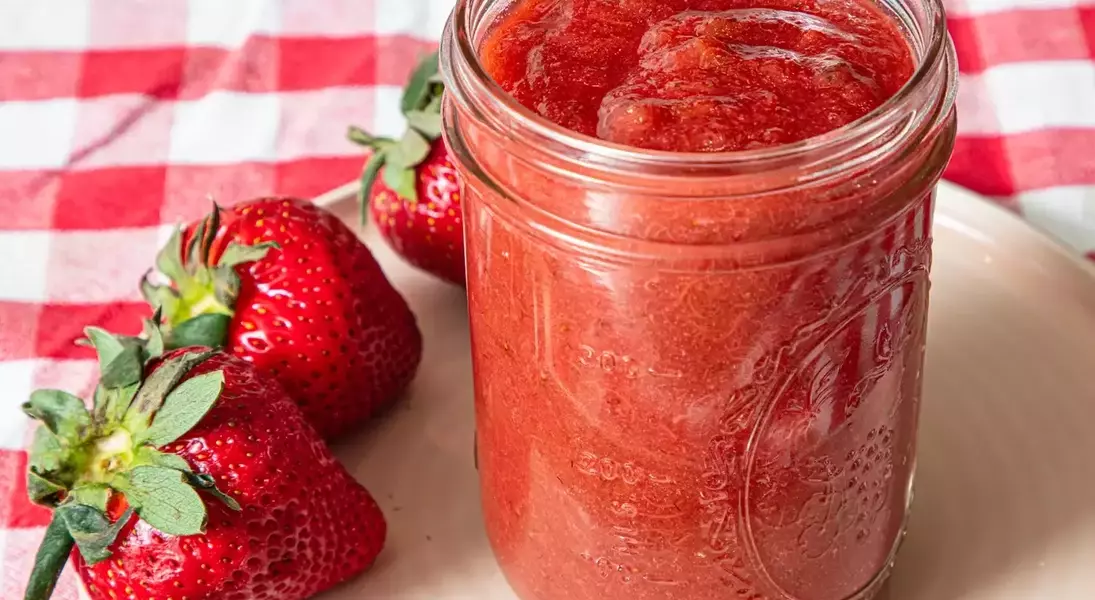
Preserving Summer's Bounty: A Guide to Homemade Jams
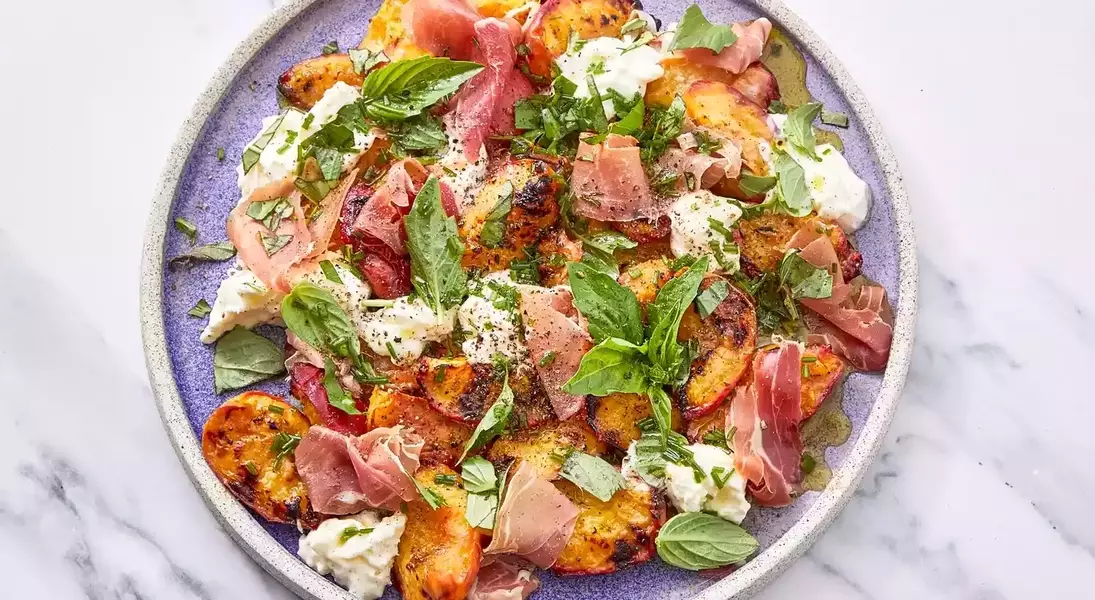
Mastering the Grill: Delectable Fruit Creations for Every Occasion
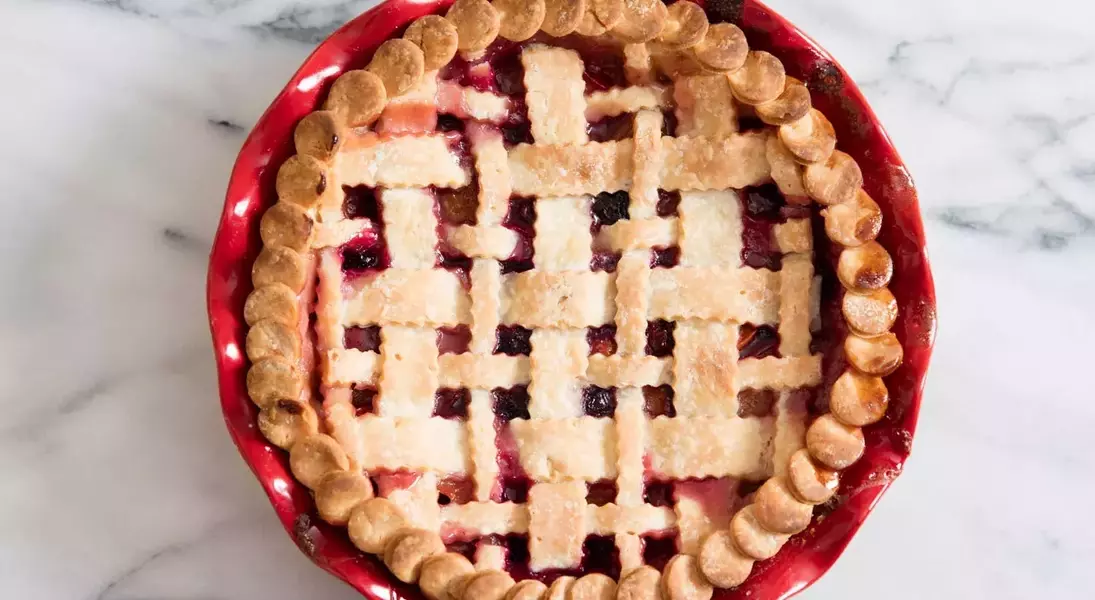
Mastering the Art of Pie Crust Designs: Techniques for Beautiful and Delicious Pies
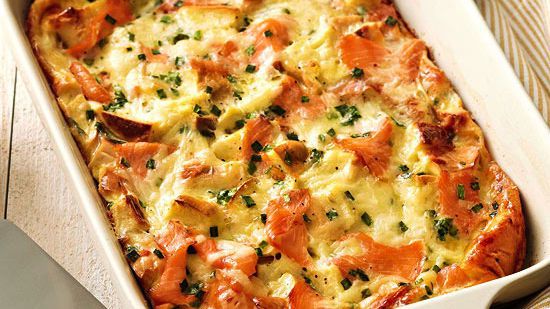
Bagel, Lox, and Egg Strata
Heart-healthy salmon is featured in this brunch egg casserole.

