
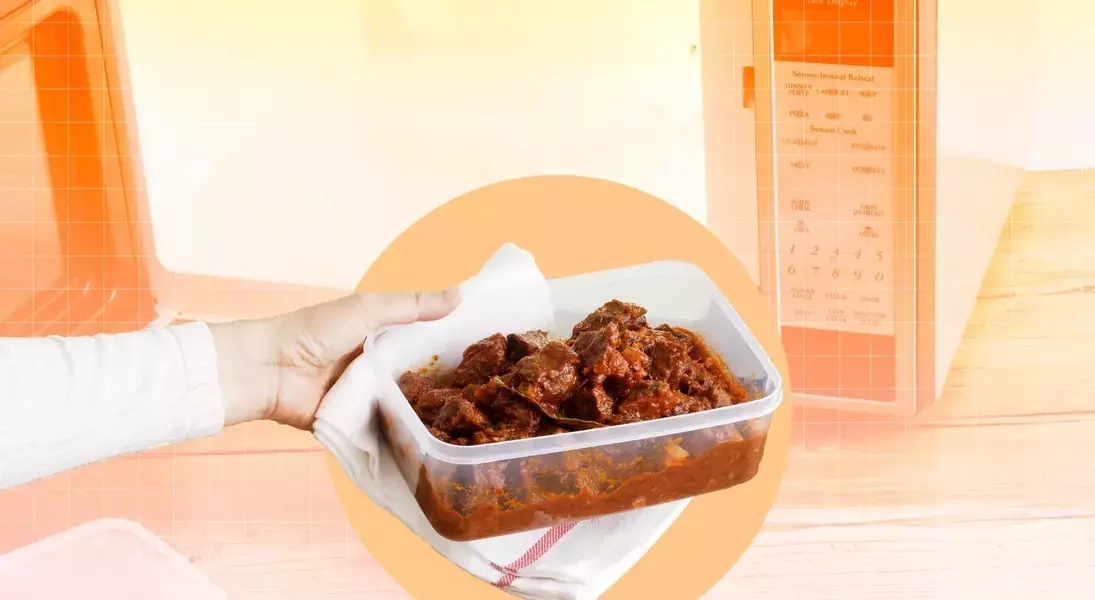
For years, warnings have been issued about the excessive presence of microplastics and toxic substances in various items, from everyday tea bags to certain food products. Despite efforts to avoid them, exposure seems inevitable, with microplastics even detected in our drinking water. While some manufacturers and researchers assert the safety of plastic storage containers, even for microwave use, the reality is more intricate.
Investigating the safety of heating plastic food containers in microwaves, researchers have explored the potential for chemical transfer into food. Lisa Yakas, a microbiologist and senior account manager of product certification at NSF, an organization that independently tests and certifies food storage products, provides a nuanced perspective on this issue. Her insights underscore that while the answer is straightforward, it requires careful consideration.
Plastic is a broad term encompassing various chemicals, primarily derived from organic polymers. Research indicates that over 13,000 chemicals are linked to plastic and its production. Among these, ten groups raise significant concern due to high toxicity and their propensity to migrate or release from the plastic. One study focusing on plastic packaging identified nearly 1,000 associated chemicals, with 148 posing considerable human toxicity risks, and 63 being identified as high human health hazards. Another 68 were noted for environmental hazards. Estimates suggest that more than 10,000 chemicals are allowed to come into contact with food in the United States alone.
Despite these findings, it is important not to demonize plastics entirely, given their wide-ranging positive impact on modern society. Plastic has been used for over a century and is integral to many aspects of daily life. Modern storage containers differ significantly from earlier versions. From the 1950s onward, plastic became increasingly affordable and easy to produce, leading to an explosion in its use. Today, manufacturers continue to develop new, more durable and flexible plastic products.
The safety of plastic containers in the microwave is not uniform. As an expert, Lisa Yakas notes that not all plastic storage containers are designed for repeated microwave use. For instance, plastic deli containers, often repurposed for various uses in professional kitchens, are typically not intended for multiple heating cycles. These should ideally be used once and then recycled or reused for non-food items.
Yakas stresses the importance of checking manufacturer instructions to confirm if a plastic food storage container is microwave-safe. Failure to do so risks leaching harmful chemicals into the food. Although some companies, like Rubbermaid and Tupperware, offer BPA-free plastic containers, which address concerns about bisphenol A (BPA) linked to cardiovascular disease and type 2 diabetes, the full chemical composition of all plastic containers remains largely unknown.
To minimize risks, NSF recommends transferring food from plastic containers to microwave-safe glass or ceramic bowls or plates before heating. This practice helps to preserve the integrity of plastic containers and reduces potential exposure to chemical leaching.
For those opting to use plastic containers, Yakas advises looking for the NSF “Certified for Home Use” mark, which indicates compliance with NSF Protocol P386. This certification guarantees that the containers are easily cleanable and made from safe materials. However, even certified containers should be replaced if they show persistent stains or scratches, as these can harbor bacteria, retain odors, and increase the risk of chemical leaching, especially when microwaved.
When considering an upgrade, non-toxic alternatives like glass or ceramic containers are highly recommended. Products such as Rubbermaid’s Brilliance line, OXO’s Good Grips glass storage containers, or Caraway’s ceramic-coated containers offer durable and safer options. While it may not be necessary to discard all existing plastic containers immediately, especially for non-food storage, transitioning to glass or ceramic when replacements are needed can significantly reduce health concerns associated with microwaving plastic and microplastic exposure.
The ubiquitous presence of plastic in our daily lives often leads to convenience trumping caution. However, awareness about the potential health implications of microwaving plastic containers is crucial. By being mindful of manufacturer recommendations, opting for microwave-safe alternatives like glass or ceramic, and regularly inspecting plastic containers for wear and tear, consumers can make informed choices to protect their health and reduce exposure to harmful chemicals. This proactive approach not only safeguards our well-being but also promotes more sustainable and safer food storage practices.

Refreshing Watermelon Recipes for Summer Enjoyment
Mastering Your Kitchen with the Best Nonstick Skillets
Mastering Pie Dough in a Warm Kitchen: Expert Techniques for Perfect Results

Mastering Your Restaurant Order: A Guide to Getting the Best Recommendations

Quick and Fresh Tomato Recipes for Any Meal

Embracing Summer's Abundance: The Farmers Market Challenge Returns with Fresh Recipes
Nine Irresistible Blueberry Dessert Recipes
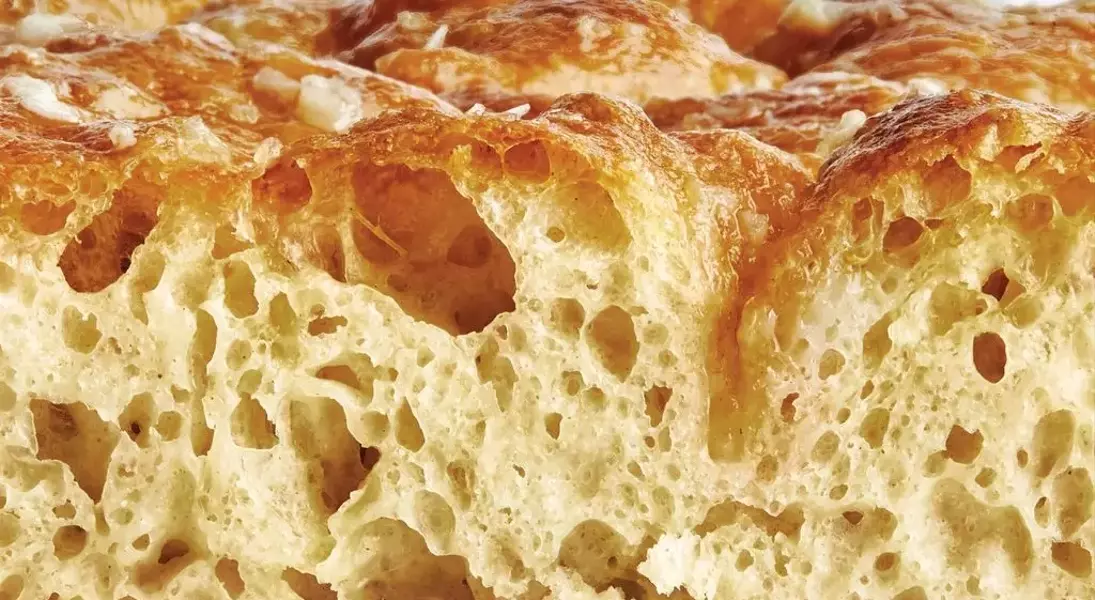
Effortless Bread Making: A Guide to No-Knead Recipes for Home Bakers

A Vibrant Date Salad with Spicy Tahini-Yogurt Dressing

The Art of Mignonette: Enhancing Your Oyster Experience

Transforming Leftover Rice into Delicious Meals

Dietitians' Top Healthy Picks for Your Summer Picnic Basket from Trader Joe's

Choosing the Perfect Dinnerware: A Comprehensive Guide

Nutrient-Rich Morning Bake: A High-Fiber Delight

Top 10 Refreshing Drink Recipes for Summer

Twelve Effortless Chicken Dishes for Summer Entertaining
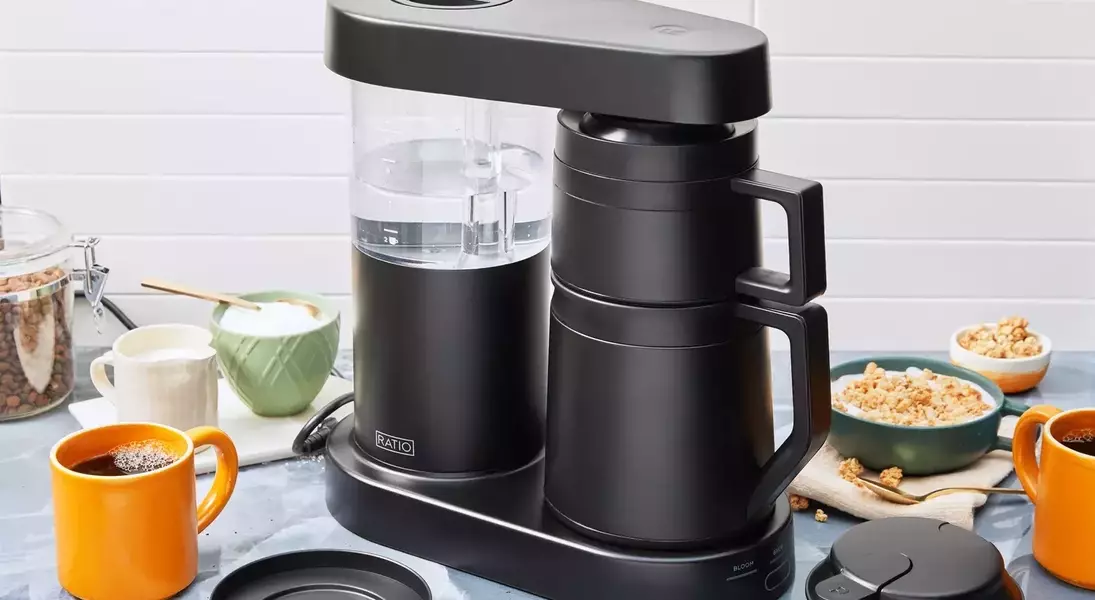
Top Thermal Carafe Coffee Makers for Lasting Warmth and Flavor
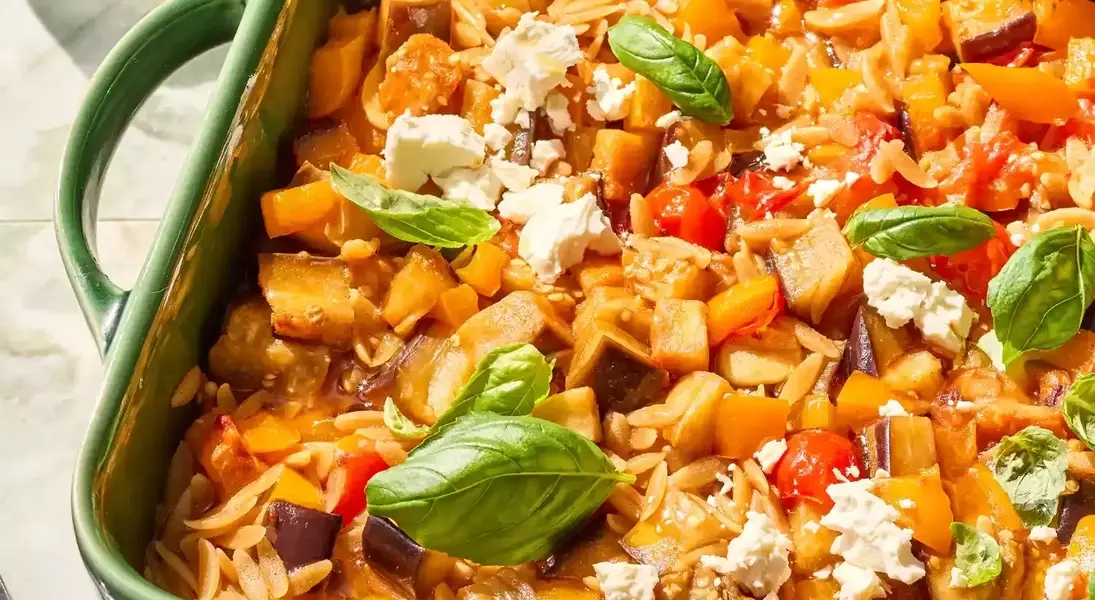
Hearty Roasted Vegetable and Orzo Bake

The Art of Homemade Pasta: A Comprehensive Guide

Unlock the Secret to Creamy Homemade Ice Cream Without a Machine

Delectable Cherry Dessert Creations for Any Occasion

Mastering Cast Iron: The Essential Art of Proper Preheating

Essential Food Safety Practices for Outdoor Gatherings

Nourishing Your Kidneys: The Apple and Almond Advantage

Expert Tips for Preserving Your Cast Iron Cookware
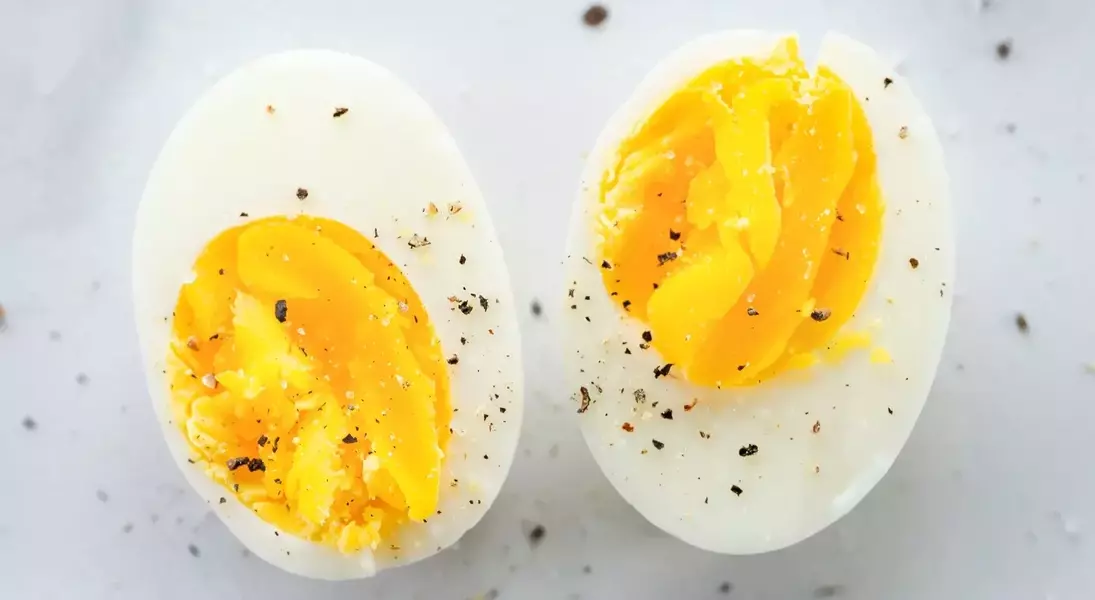
The Dash Rapid Egg Cooker: Your New Morning Hero
Preserving Summer's Bounty: A Guide to Homemade Jams

Mastering the Grill: Delectable Fruit Creations for Every Occasion

Mastering the Art of Pie Crust Designs: Techniques for Beautiful and Delicious Pies

Bagel, Lox, and Egg Strata
Heart-healthy salmon is featured in this brunch egg casserole.

