

Enjoying meals outdoors, especially during summer, brings unique challenges to food safety. Without proper precautions, common oversights can quickly transform a pleasant gathering into a health risk. To prevent foodborne illnesses, it's crucial to adhere to fundamental safety guidelines. This involves ensuring all foods reach their correct internal temperatures, keeping perishable items out of the 'danger zone,' practicing good hand hygiene, and packing coolers strategically. By implementing these simple yet effective measures, you can safeguard your guests and guarantee a delicious, worry-free outdoor dining experience.
Food safety isn't just a seasonal concern; it’s vital year-round. Beyond summer cookouts, general kitchen practices like safe thawing of frozen goods, understanding food spoilage, and thoroughly washing produce are essential. Food that looks and smells fine can still harbor harmful bacteria. Therefore, consistent attention to safe food handling and preparation is paramount, whether you're grilling in the backyard or preparing a winter meal. Prioritizing these practices ensures a safe and healthy eating environment for everyone.
When preparing and serving food outdoors, particularly during warm weather, vigilance against foodborne illnesses is essential. Key strategies include verifying that all meats are cooked to their safe internal temperatures, preventing perishable items from lingering in hazardous temperature ranges, maintaining impeccable personal hygiene, and packing your coolers effectively. These measures are crucial for protecting your guests from common food safety risks, such as salmonella and E. coli, ensuring that every outdoor meal is both delightful and safe.
To guarantee food safety during outdoor cooking, especially when grilling, it is imperative to use a food thermometer. This tool is indispensable for confirming that meats like poultry (165°F), ground beef (160°F), and fish (145°F) reach their safe minimum internal temperatures, thereby eliminating harmful bacteria such as Salmonella, E. coli, and Campylobacter. Visual checks alone are insufficient, as meats can appear cooked on the outside while still being undercooked internally. Additionally, perishable foods must not remain in the "danger zone" (between 40°F and 140°F) for extended periods; this window is typically two hours, shrinking to just one hour if the ambient temperature exceeds 90°F. This applies not only to serving times but also to preparation, necessitating swift transitions from refrigeration to cooking and back. Proper handwashing, or the use of sanitizer when a sink is unavailable, is another critical step to prevent cross-contamination from hands to food, especially after handling raw ingredients or waste. Lastly, intelligent cooler management is vital: use separate coolers for drinks and raw meats to minimize temperature fluctuations and prevent cross-contamination, ensuring that all cold items remain well-chilled with ample ice and minimal opening. Implementing these practices diligently will significantly reduce the risk of foodborne illnesses, allowing everyone to enjoy outdoor gatherings safely.
Effective cooler packing is a cornerstone of food safety for any outdoor event, especially when dealing with perishable items. Beyond the immediate needs of a cookout, adopting year-round safe food practices is crucial to maintaining a healthy kitchen. This includes understanding appropriate thawing methods, recognizing that food's appearance and smell aren't reliable indicators of safety, and rigorously washing all produce. By consistently applying these principles, you can prevent foodborne illnesses and ensure the wholesomeness of your meals throughout the year.
For successful and safe outdoor dining, mastering cooler packing techniques is as important as the cooking itself. Always use separate coolers for beverages and perishable foods to prevent frequent opening of the food cooler, which can compromise internal temperatures. Raw meats, in particular, should be stored in their own leak-proof containers at the bottom of a dedicated cooler to avert cross-contamination with other items. Moreover, tightly pack your coolers with plenty of ice or ice packs to maintain temperatures below 40°F, and avoid unnecessary openings to preserve the cold. Beyond outdoor activities, year-round food safety habits are paramount. Never thaw frozen foods at room temperature; instead, opt for thawing in the refrigerator, under cold running water, or in the microwave to avoid the "danger zone." It’s also vital to remember that harmful bacteria often don't alter a food’s appearance, smell, or taste, making proper storage and handling the only reliable defense against spoilage. Finally, meticulous washing of all produce, regardless of its origin or whether you intend to eat the skin, is essential to remove surface bacteria and contaminants, ensuring a safe and enjoyable culinary experience every time.
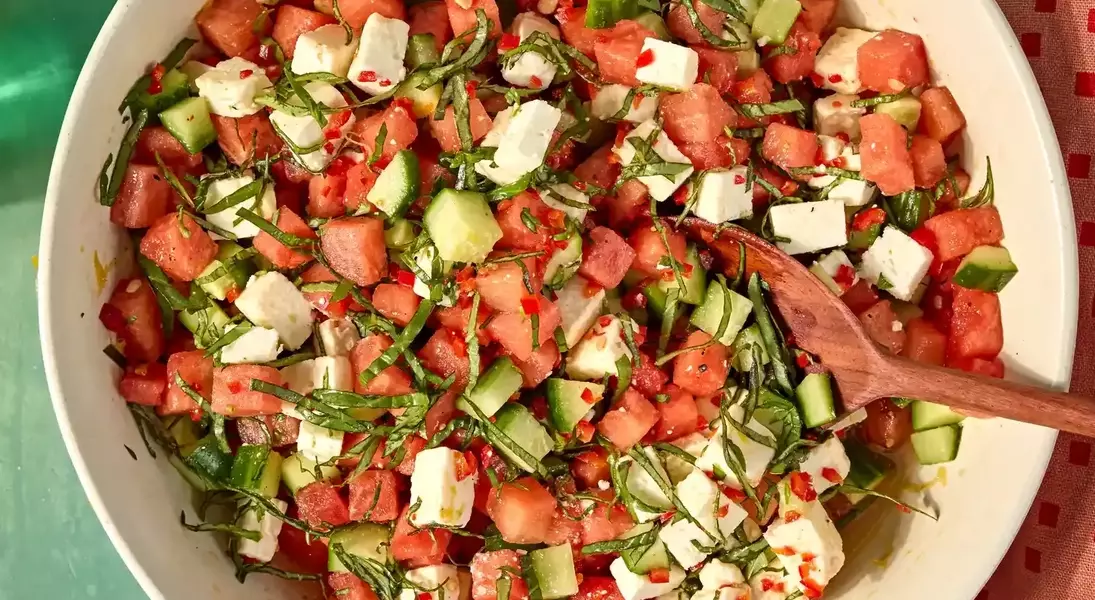
Refreshing Watermelon Recipes for Summer Enjoyment
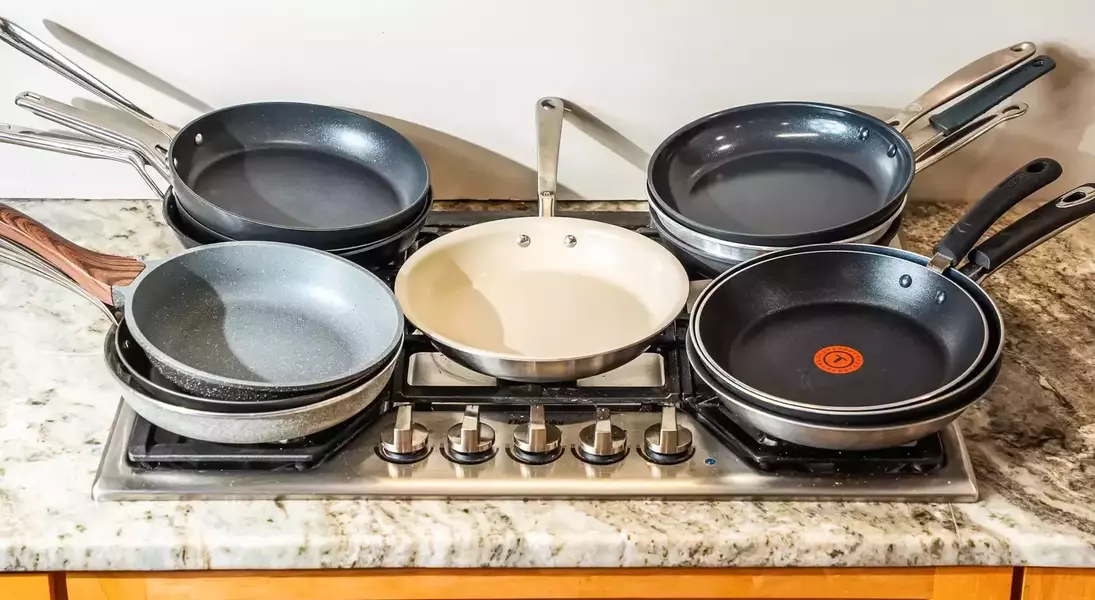
Mastering Your Kitchen with the Best Nonstick Skillets

Mastering Pie Dough in a Warm Kitchen: Expert Techniques for Perfect Results
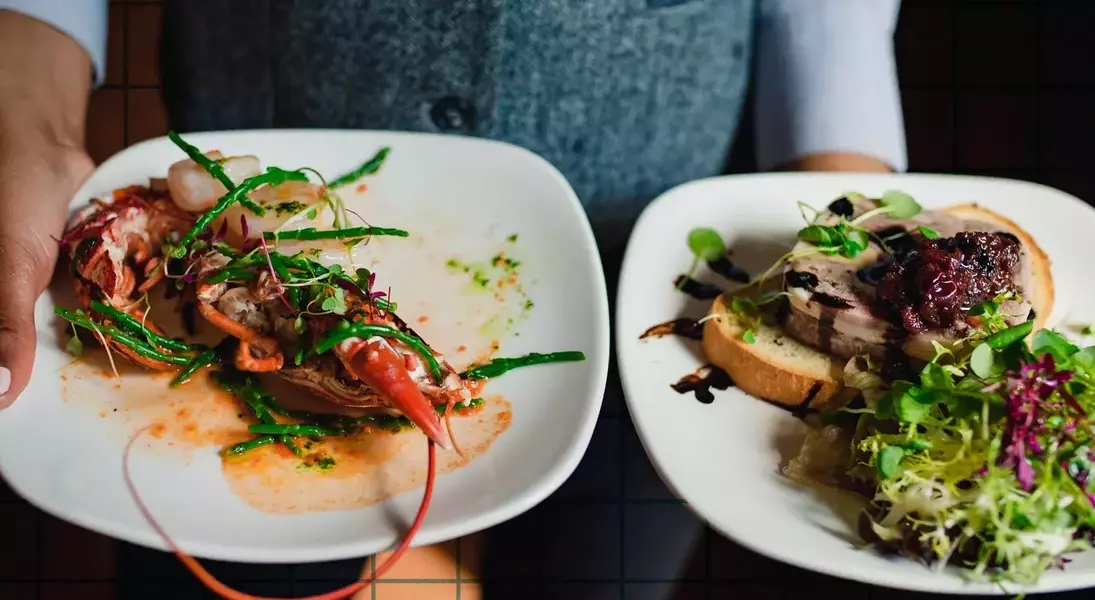
Mastering Your Restaurant Order: A Guide to Getting the Best Recommendations
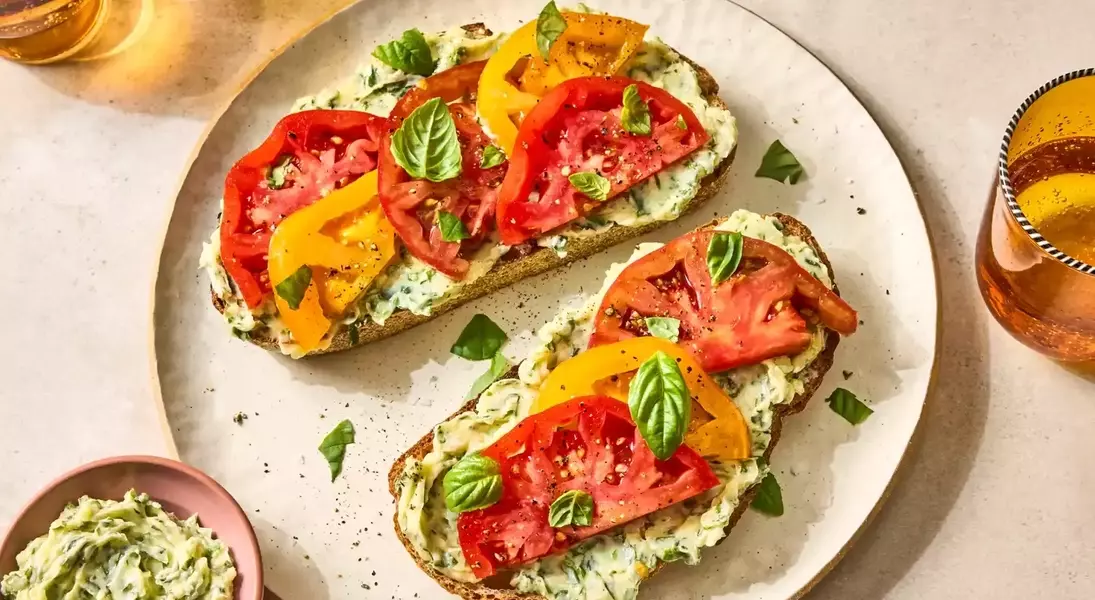
Quick and Fresh Tomato Recipes for Any Meal
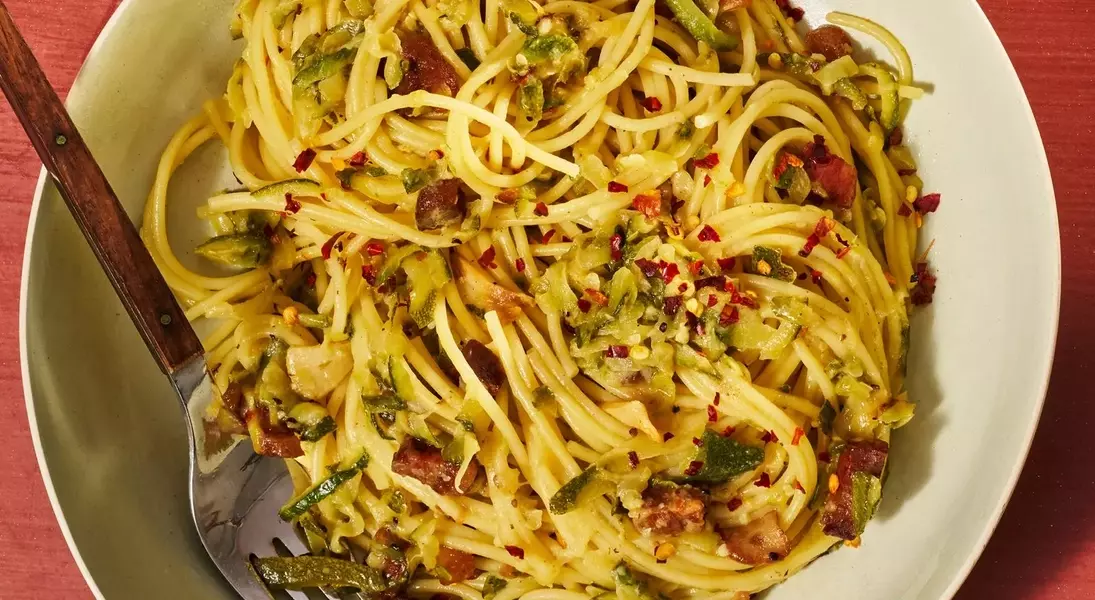
Embracing Summer's Abundance: The Farmers Market Challenge Returns with Fresh Recipes
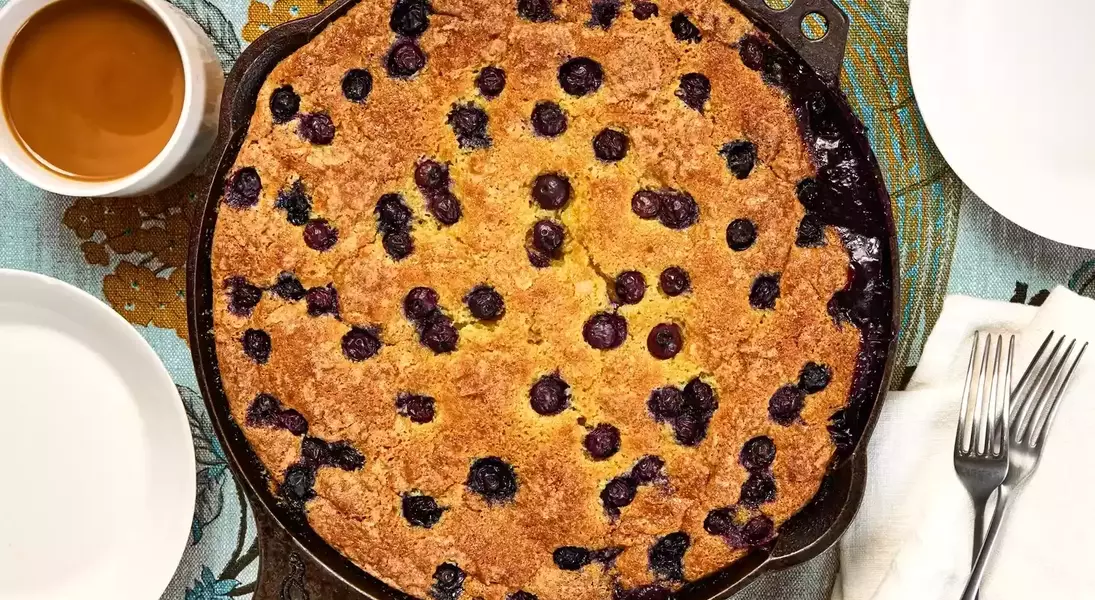
Nine Irresistible Blueberry Dessert Recipes

Effortless Bread Making: A Guide to No-Knead Recipes for Home Bakers
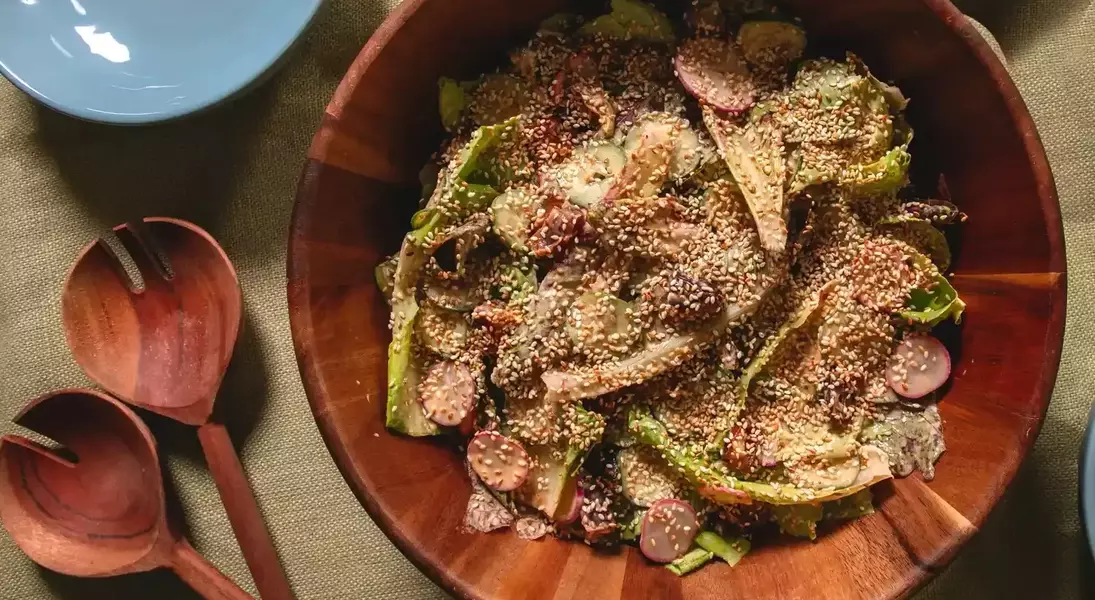
A Vibrant Date Salad with Spicy Tahini-Yogurt Dressing

The Art of Mignonette: Enhancing Your Oyster Experience
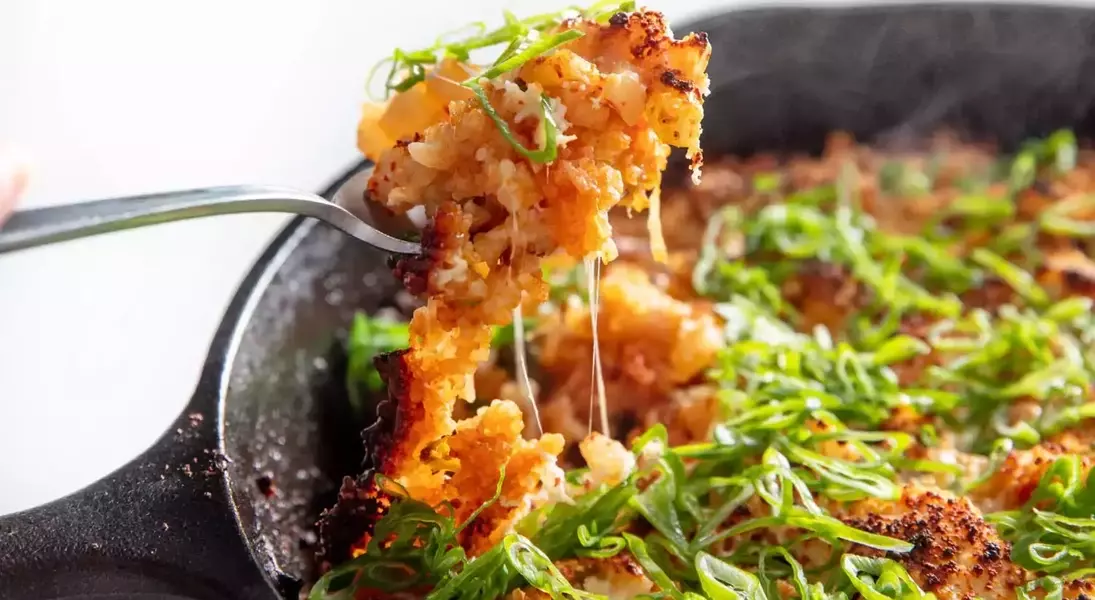
Transforming Leftover Rice into Delicious Meals

Dietitians' Top Healthy Picks for Your Summer Picnic Basket from Trader Joe's

Choosing the Perfect Dinnerware: A Comprehensive Guide

Nutrient-Rich Morning Bake: A High-Fiber Delight

Top 10 Refreshing Drink Recipes for Summer

Twelve Effortless Chicken Dishes for Summer Entertaining
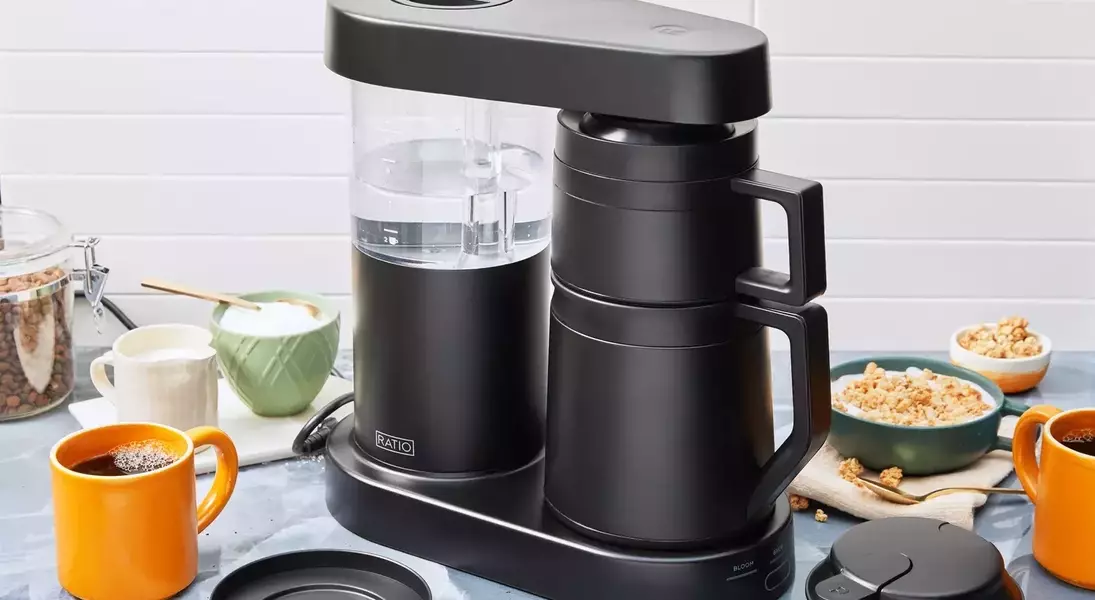
Top Thermal Carafe Coffee Makers for Lasting Warmth and Flavor
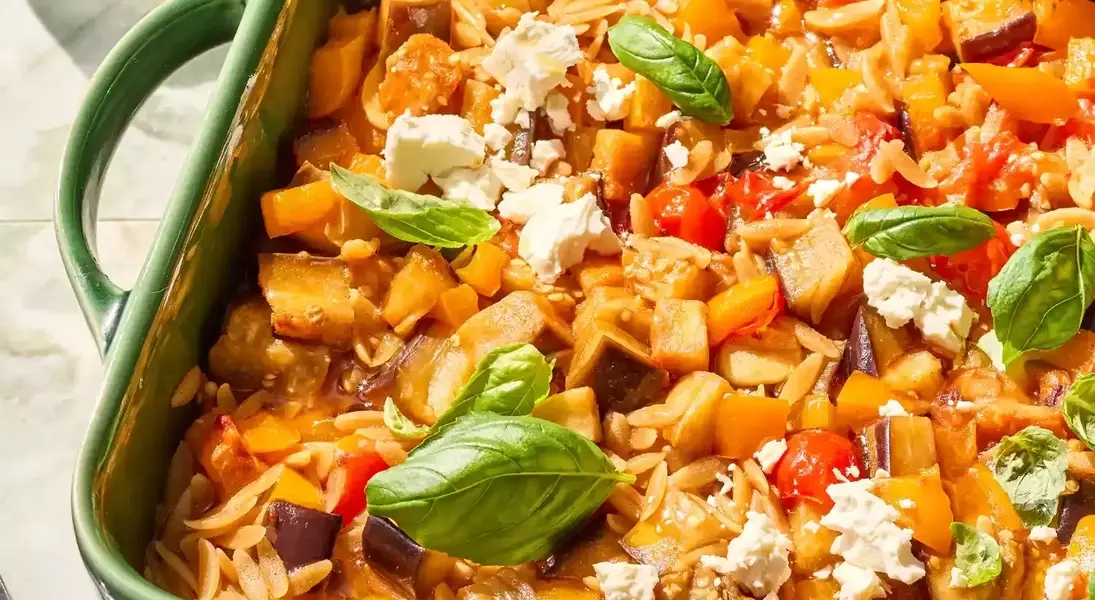
Hearty Roasted Vegetable and Orzo Bake

The Art of Homemade Pasta: A Comprehensive Guide

Unlock the Secret to Creamy Homemade Ice Cream Without a Machine

Delectable Cherry Dessert Creations for Any Occasion
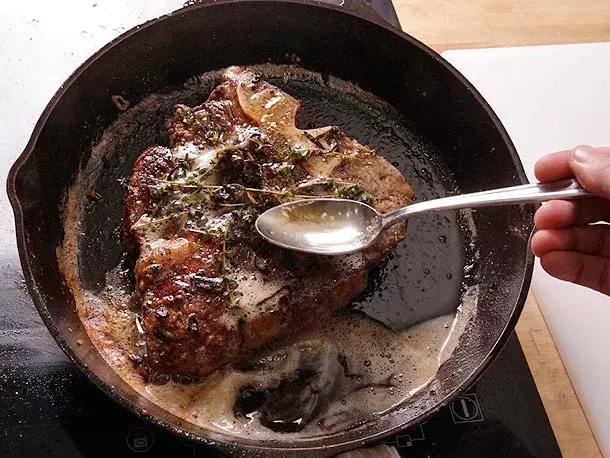
Mastering Cast Iron: The Essential Art of Proper Preheating
Essential Food Safety Practices for Outdoor Gatherings

Nourishing Your Kidneys: The Apple and Almond Advantage

Expert Tips for Preserving Your Cast Iron Cookware

The Dash Rapid Egg Cooker: Your New Morning Hero
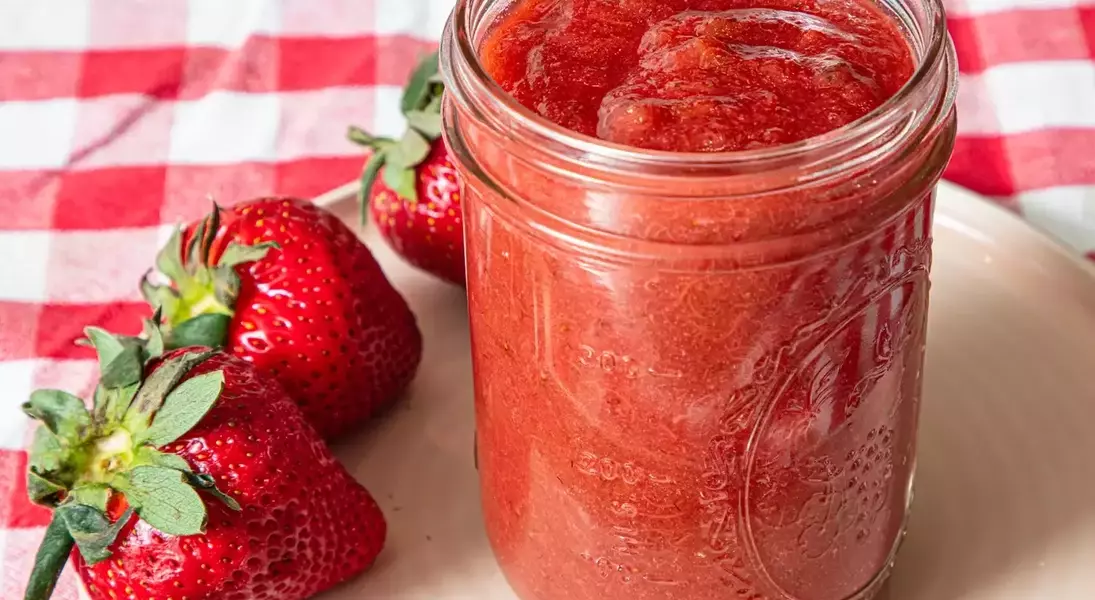
Preserving Summer's Bounty: A Guide to Homemade Jams

Mastering the Grill: Delectable Fruit Creations for Every Occasion
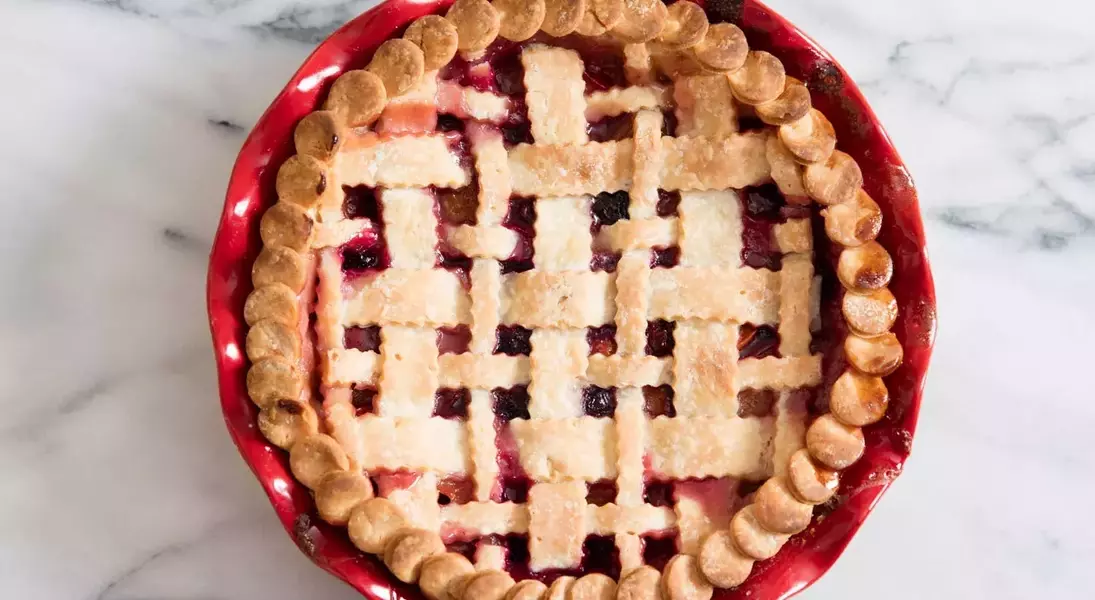
Mastering the Art of Pie Crust Designs: Techniques for Beautiful and Delicious Pies
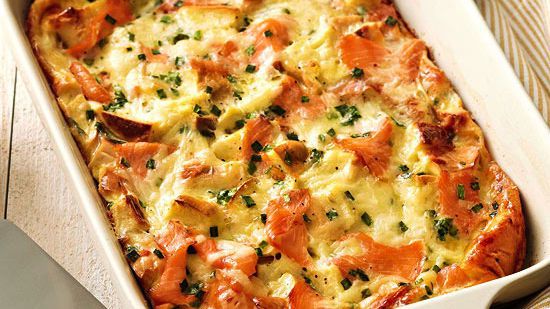
Bagel, Lox, and Egg Strata
Heart-healthy salmon is featured in this brunch egg casserole.

